Frozen Storage in Dammam: 2026 Cold Chain Guide
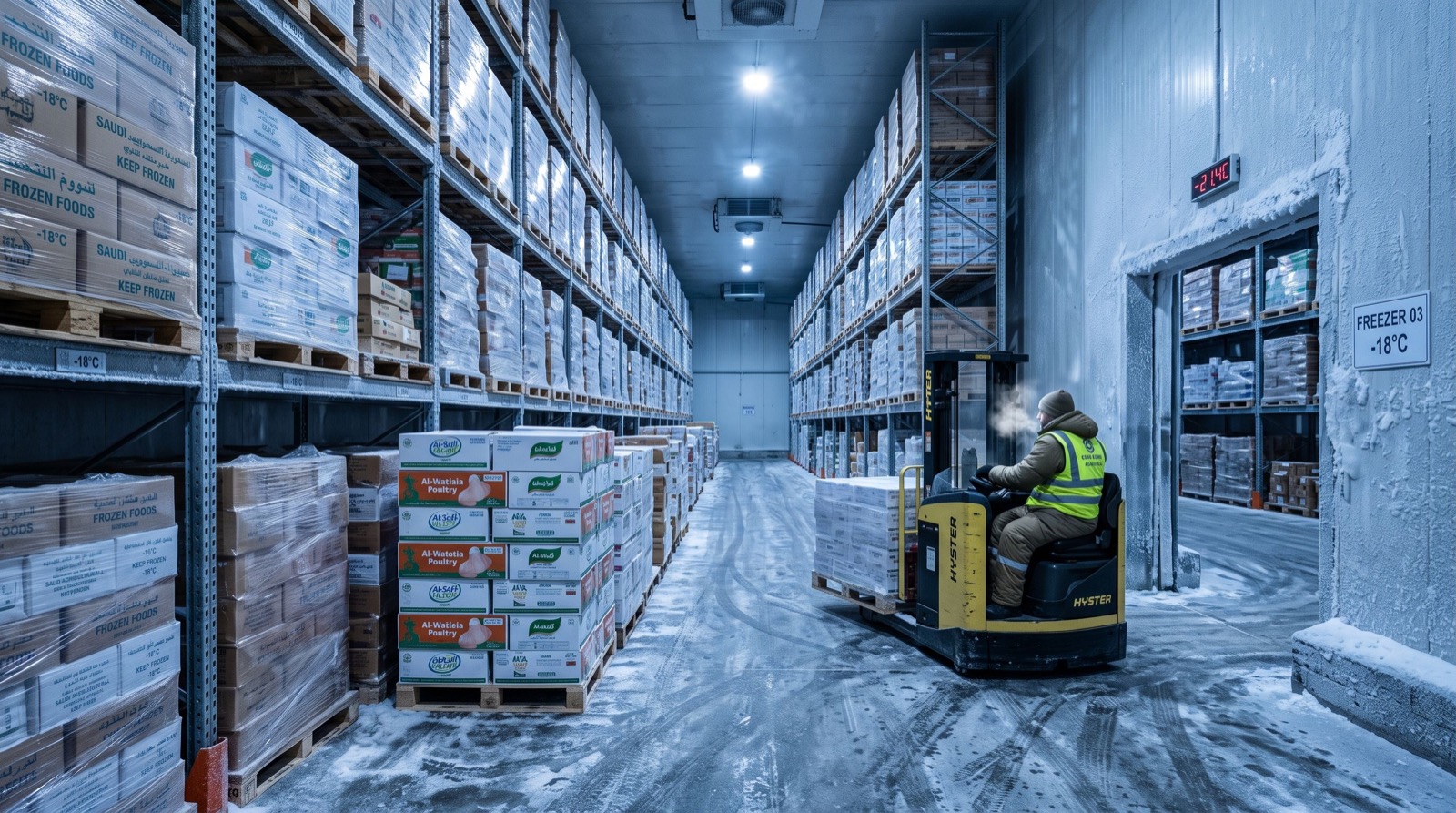
In the Eastern Province, the cold chain is everything. Seafood from the Gulf, imported meat, dairy, and frozen ready meals all depend on an unbroken run of low temperatures from supplier to shelf. Professional frozen storage in Dammam is the critical link that keeps these products safe, legal, and saleable through the hottest months of 2026.
This guide explains how frozen warehousing works in Dammam, what temperatures different products need, and how to choose a facility that will not let your inventory thaw. For any food business in the region, getting this right is non-negotiable.
Why Frozen Storage in Dammam Is Essential
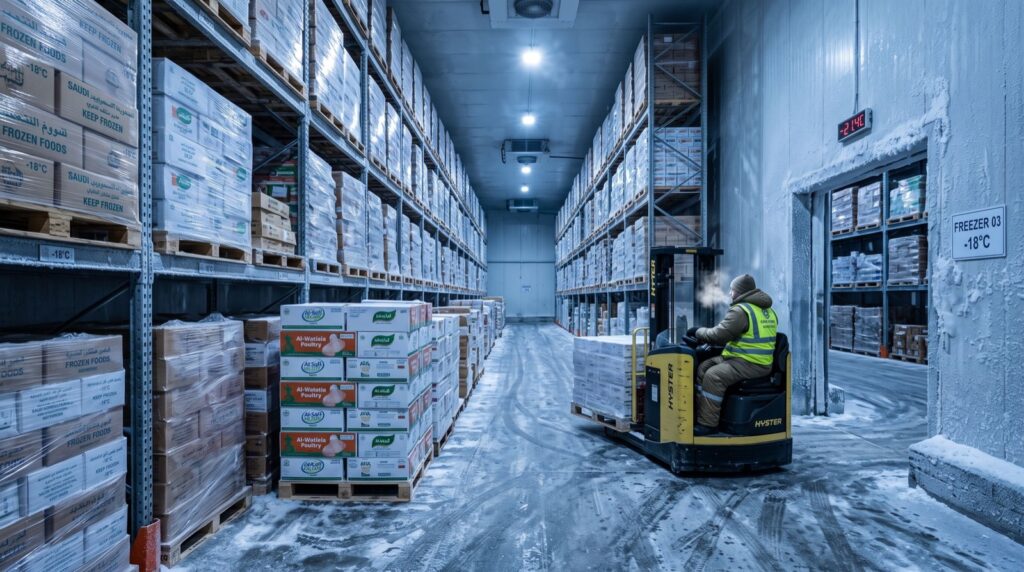
Dammam sits at the heart of Saudi Arabia’s Eastern logistics network, close to major ports and a dense food-distribution market. Reliable Frozen Storage in Dammam lets importers and distributors receive, hold, and dispatch perishable goods without ever breaking the cold chain.
The region’s summer heat is unforgiving. A pallet of frozen seafood left in ambient conditions can become a total loss and a safety hazard within hours. Dedicated cold storage removes that risk with monitored, backup-protected freezing.
Which Products Need Frozen Storage?
- Seafood, shrimp, and fresh Gulf catch
- Imported and local meat and poultry
- Dairy, ice cream, and frozen desserts
- Frozen vegetables, fruit, and ready meals
- Bakery dough and par-baked products
Temperature Standards for Cold Storage in 2026
Different foods demand different set points. Holding everything at one temperature either wastes energy or spoils stock. The table below shows the ranges distributors plan around this year.
| Product | Storage Temperature | Max Safe Hold | Key Risk |
|---|---|---|---|
| Frozen seafood | -18°C to -25°C | Several months | Texture loss, freezer burn |
| Frozen meat | -18°C or colder | 6 – 12 months | Bacterial risk if thawed |
| Ice cream | -20°C to -25°C | Months | Crystallisation, melting |
| Chilled dairy | 0°C to 4°C | Days to weeks | Rapid spoilage |
These are planning baselines. Saudi food-safety regulations set the binding rules, and compliant facilities document temperatures continuously to prove the chain was never broken.
How Does an Unbroken Cold Chain Work?
The cold chain is only as strong as its weakest link. A single warm gap, during transfer, loading, or a power cut, can compromise an entire shipment. Professional storage closes those gaps at every stage.
- Refrigerated receiving: Goods move from truck to freezer without ambient exposure.
- Monitored holding: Sensors log temperature around the clock with alarms.
- Backup power: Generators keep freezers running through outages.
- Fast dispatch: Orders load into refrigerated vehicles quickly to limit door-open warming.
Compliance and Food Safety
Frozen storage is heavily regulated because the stakes are public health. Facilities must meet strict handling, hygiene, and documentation standards to keep stock legally sellable in the Kingdom.
Non-compliance risks rejected goods, fines, and recalls. You can review current food-safety requirements directly from the Saudi Food and Drug Authority before committing to a cold-storage contract.
What Records Should a Cold Store Keep?
- Continuous temperature logs for every zone
- Batch, lot, and expiry tracking for rotation
- Cleaning, sanitation, and pest-control schedules
- Inbound and outbound dispatch documentation
Beyond Food: Diversified Storage Needs
A strong logistics partner rarely stops at frozen goods. Many Dammam operators also serve non-food sectors that need clean, climate-aware warehousing. Specialist Storage for the Fashion Industry, for example, protects apparel from humidity and dust between seasons.
Consolidating different storage needs with one trusted provider simplifies billing, reporting, and logistics. It also means scaling up is a phone call, not a new supplier search.
Choosing a Frozen Storage Partner in Dammam
Selecting a cold store is a decision you cannot afford to get wrong. Vet providers hard, and work only with reputable service experts who prove their temperature control with real, continuous data.
- 24/7 temperature monitoring with instant alerts
- Backup generators and redundant refrigeration
- Separate frozen, chilled, and dry zones
- Proximity to Dammam port and the regional highway network
- Trained, food-safety-certified handling staff
A tip from the warehouse floor: ask to see a week of raw temperature logs before signing. A confident operator shares clean, unbroken data instantly. Hesitation or gaps in the record are a clear signal to keep looking.
Reducing Loss and Protecting Value
Spoiled frozen stock is pure loss, often thousands of riyals per pallet. Professional storage, strict rotation, and reliable backup power can slash that waste dramatically. For perishable businesses, that saving flows straight to the bottom line.
Treat your cold store as an insurance policy on your inventory. Every degree held steady is product value protected and a safety risk avoided.
Dammam’s Role in the Eastern Province Cold Chain
Dammam is not just another storage location; it is a strategic hub. Sitting beside King Abdulaziz Port and connected to the wider Gulf by road, it is the natural entry point for imported perishables heading into the Eastern Province and beyond.
That position shapes how cold storage should be used here. Goods often arrive by sea, need rapid transfer into freezing, and then move out to distributors across Dammam, Khobar, and Dhahran. A cold store close to the port shortens that vulnerable window between vessel and freezer.
Proximity also cuts transport cost and risk. The fewer kilometres a frozen pallet travels in a refrigerated truck, the lower the fuel bill and the smaller the chance of a cold-chain break on the road. Location, in frozen logistics, is a genuine competitive advantage.
Plan your network with this in mind. Position frozen stock near the port for fast inbound handling, then use regional dispatch to reach your customers quickly. A smart Dammam base can serve the entire Eastern Province without ever letting temperatures drift.
Energy Efficiency in Modern Cold Storage
Freezing is energy-intensive, and power is a major cost in any cold store. The best 2026 facilities invest in high-efficiency refrigeration, thick insulation, rapid-close doors, and smart controls that hold temperature with less energy.
This matters to you even as a tenant. Efficient facilities run more reliably, resist temperature drift during door openings, and often pass savings on through competitive rates. Ask prospective partners how they manage energy and redundancy together.
Frequently Asked Questions
What temperature is standard for frozen storage in Dammam?
Most frozen goods are held at -18°C or colder, with some products like ice cream and seafood stored down to -25°C. Facilities monitor these temperatures continuously to comply with Saudi food-safety standards.
How long can food stay in frozen storage?
It depends on the product. Frozen meat can last six to twelve months, seafood several months, and many frozen vegetables even longer, provided the temperature stays stable and the cold chain is never broken.
What happens during a power cut?
Professional cold stores run backup generators and redundant refrigeration so freezers keep operating through outages. Combined with well-insulated chambers, this keeps stock frozen until mains power returns.
Can a Dammam facility handle both frozen and chilled goods?
Yes. Leading providers offer separate frozen, chilled, and dry zones under one roof, letting distributors manage seafood, dairy, and dry goods in a single location with unified, compliant documentation.
Final Thoughts and Next Step
For any food business in the Eastern Province, frozen storage in Dammam is the backbone of safe, profitable operations. Match each product to the right temperature, insist on monitoring and backup power, and partner with a facility that proves its cold chain with hard data.
Protecting perishable stock in 2026? Map your temperature needs, tour a compliant facility, and lock in cold storage that keeps every pallet frozen, legal, and ready to dispatch.